What Affects the Cost of Wisdom Teeth Removal
An educational look at what drives the cost of wisdom teeth removal — number of teeth, impaction, sedation, imaging and health-fund rebates — and how estimates work.
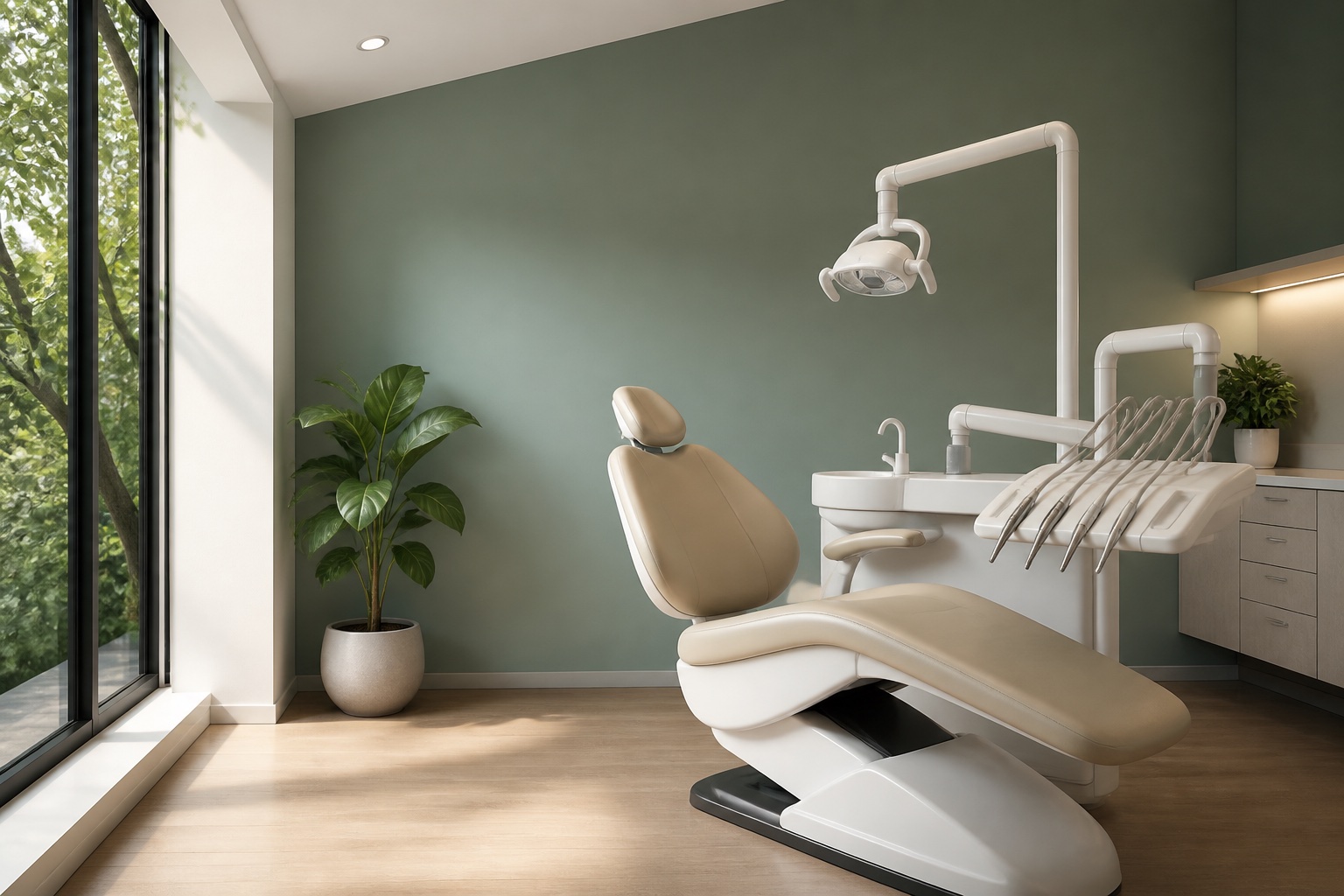
One of the first questions people ask about wisdom teeth removal is what it will cost. It is a fair question, and for the students and young professionals who make up so much of inner-north Canberra — around the ANU, the University of Canberra and Braddon, where wisdom teeth are right on schedule at 17 to 25 — it is often a question asked on a tight budget. The honest answer is that there is no single figure — the cost depends on your particular situation. Rather than quote a price, this guide explains the factors that actually drive the cost, so you can understand where an estimate comes from and what you might discuss at a consultation. It is general information only, not a diagnosis or a quote for your treatment.
Why there’s no one-size-fits-all price
Wisdom teeth removal can range from a quick, straightforward extraction to a more involved surgical procedure. Because every mouth is different, the work involved — and therefore the cost — varies from person to person. The only way to get an accurate figure is an assessment that looks at your specific teeth, their position and your overall situation.
With that in mind, here are the main factors that influence the cost.
Number of teeth being removed
The most obvious factor is how many wisdom teeth are being taken out. Some people need a single tooth removed; others have all four addressed. Whether they are removed in one appointment or across separate visits can also shape how the treatment is planned and costed.
How the tooth sits — simple versus surgical extraction
The position of a wisdom tooth makes a big difference to how involved the procedure is.
- A tooth that has come through fully and is easy to reach is generally a more straightforward extraction.
- A tooth that is impacted — stuck below the gum or wedged against the tooth in front — often calls for a surgical extraction, which may involve accessing the tooth through the gum and sometimes removing it in sections.
The root shape and how close the tooth sits to nearby structures, such as the nerve in the lower jaw, also factor into the complexity. A more complex extraction takes more time and skill, and that is reflected in the cost.
Sedation choice
Alongside local anaesthetic, which numbs the area, you may choose additional sedation to feel more comfortable. The options range from lighter to deeper forms of sedation, and each has different requirements, so the choice affects the overall cost. The main approaches are:
- Nitrous oxide (“happy gas”) — light inhaled sedation that wears off quickly
- Oral sedation — a prescribed tablet taken before your appointment
- IV sedation — a deeper, sleep-like state delivered through a small cannula; at Dental Embassy this is provided in-house with IV sedationist Anna Huang and principal dentist Dr Srikanth Karumuri
Which option suits you depends on the complexity of the extraction, your medical history and your preferences. You can read more on our sedation dentistry page. It is worth discussing sedation early, as it forms part of the overall picture.
Imaging and assessment
Before any wisdom tooth is removed, imaging is needed to see the position of the tooth, its roots and the structures around it. This might be a standard dental x-ray or, for a fuller view of the jaw, an OPG (a panoramic x-ray). In more complex cases a 3D scan may be recommended. Imaging is part of planning a safe procedure, and it forms part of the assessment that shapes your estimate.
Health-fund rebates
If you have private health insurance with the right level of extras or hospital cover, you may be able to claim a rebate towards the cost. How much comes back depends on your fund, your level of cover and any limits or waiting periods that apply — worth checking if you are on a parent’s family policy or a student cover plan, as many young Canberrans are. It is a good idea to check directly with your health fund about what your policy covers before treatment. At Dental Embassy we process on-the-spot claims through HICAPS, so any eligible rebate is applied at the time rather than claimed back later.
How you’ll get a clear figure
Because so much depends on your individual circumstances, the reliable way to understand your cost is a consultation. At Dental Embassy in Braddon, this includes an examination and any imaging needed, after which your practitioner can explain what is involved and provide an estimate before anything is decided. That way you can make a choice with a clear understanding of both the treatment and the cost.
To help make treatment more manageable — which can matter when you are studying or early in your working life — payment plans are available through Humm, ZIP, Afterpay and TLC, and we process private health claims on the spot with HICAPS.
If you would like the wider picture first, our guide to wisdom teeth removal in Canberra and your options covers symptoms, assessment and sedation, and our main wisdom teeth removal page explains how we approach the procedure.
Want an estimate for your situation? Call 1300 000 230 or get in touch to arrange a consultation.
This article is general information only and does not constitute dental, medical or financial advice, nor a diagnosis or a quote. Any surgical or invasive procedure carries risks. Before proceeding, you should seek advice from an appropriately qualified health practitioner.
Have a question about your own situation?
Book a consultation with the team at Dental Embassy in Braddon. We’ll assess your teeth, explain your options, and answer your questions before anything is decided.