Wisdom Teeth Removal in Canberra: Your Options
An educational guide to wisdom teeth — common symptoms, when removal may be advised, the sedation options available, and what recovery involves — from Dental Embassy in Braddon, Canberra.
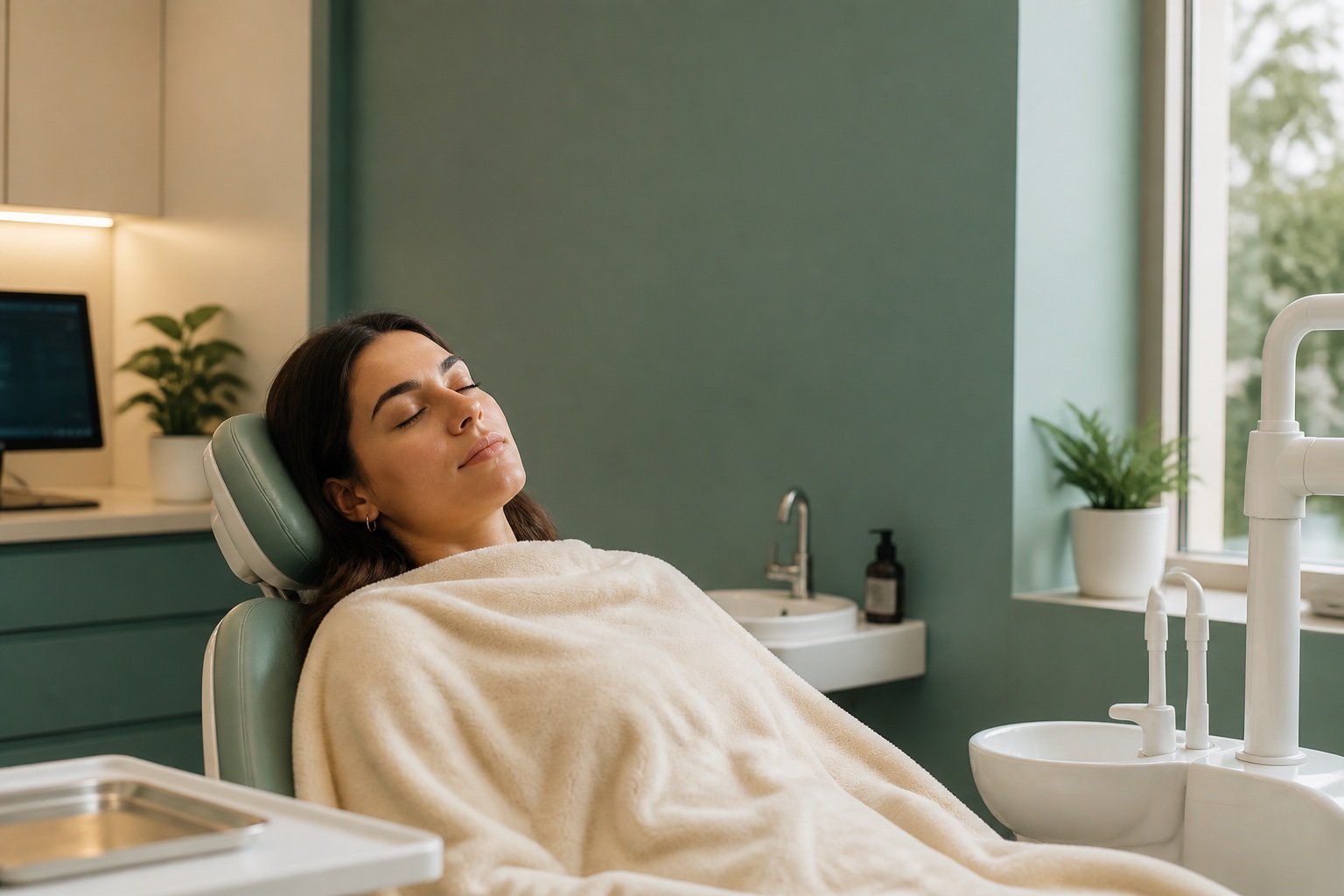
Wisdom teeth are the third molars — the last teeth to come through, usually between the ages of about 17 and 25. That age range is worth noting in inner-north Canberra: with the ANU in nearby Acton, the University of Canberra over in Bruce, and a City median age around 22, this is exactly the stage of life when wisdom teeth tend to make themselves known. For some people they cause no trouble at all. For others, they lead to pain, infection or damage to nearby teeth. This guide explains the common signs to look out for, when removal may be recommended, the sedation options that exist, and what recovery generally involves. It is general information only, not a diagnosis or a treatment plan for your situation.
Do wisdom teeth always need to come out?
No. Not every wisdom tooth needs to be removed. If a wisdom tooth has come through in a good position, bites correctly against the tooth above or below it, and can be cleaned properly, it may be perfectly reasonable to leave it in place and keep an eye on it at regular check-ups.
Removal is generally considered when a wisdom tooth is causing problems, or is likely to. Only an assessment — including examination and x-rays — can determine what is happening in your specific case.
Common symptoms and reasons for removal
Some of the situations in which wisdom tooth removal is commonly discussed include:
- Impaction — the tooth is stuck below the gum or wedged against the tooth in front of it, unable to come through normally.
- Infection or gum inflammation — when a tooth is only partly through, a flap of gum can trap food and bacteria, leading to swelling and pain around the area (a condition known as pericoronitis).
- Decay — wisdom teeth sit right at the back of the mouth and can be very hard to clean, which makes them more prone to decay that is difficult to restore.
- Damage to the neighbouring tooth — a wisdom tooth growing at an angle can press against the molar in front of it.
- Cysts or other changes — less commonly, fluid-filled sacs can form around an unerupted tooth.
Signs that may prompt a visit include pain or tenderness at the back of the jaw, swelling, difficulty opening the mouth, or a bad taste around the area. These symptoms can have other causes too, so an assessment is the sensible next step rather than assuming the wisdom teeth are to blame.
The importance of an assessment
Whether removal is advisable — and how straightforward it is likely to be — depends on the position of the tooth, its root shape, and how close it sits to nearby structures such as the nerve in the lower jaw. This is why an examination and imaging (which may include x-rays or, in more complex cases, a 3D scan) are carried out before any decision is made.
At Dental Embassy on Northbourne Avenue in Braddon, wisdom teeth assessment and removal are handled in-house. Dr Simon Flanagan, who holds postgraduate qualifications in oral surgery, carries out surgical extractions at the practice. Being on the light-rail line and a short tram ride from the ANU and the city makes getting to an appointment — and home again afterwards — straightforward, and early 7:30am weekday starts can fit around classes or work.
Sedation options for wisdom teeth removal
For many people — and often for younger patients facing their first surgical procedure — anxiety about the appointment is a bigger concern than the procedure itself. Alongside local anaesthetic, which numbs the area, several sedation options may be available to help you feel more comfortable. The main approaches are:
- Nitrous oxide (“happy gas”) — a light form of inhaled sedation that helps you feel relaxed and wears off quickly.
- Oral sedation — a prescribed tablet taken before the appointment that produces a deeper sense of calm.
- IV sedation — a sedative delivered through a small cannula, producing a deeper, sleep-like state; at Dental Embassy this is provided in-house by our IV sedationist, Anna Huang, and principal dentist Dr Srikanth Karumuri.
Which option is appropriate depends on the complexity of the extraction, your medical history and your preferences. This is something to discuss with your practitioner, who can explain the benefits and risks of each. You can read more on our sedation dentistry page.
What recovery generally involves
Recovery varies from person to person and depends on how involved the extraction was. In general terms, some swelling and soreness in the first few days is normal and usually settles over the following week. Practical aftercare commonly includes:
- resting for the first day or so, particularly if you have had sedation
- eating soft foods and avoiding very hot food and drinks initially
- keeping the area clean as directed, often with gentle salt-water rinses after the first day
- managing discomfort with pain relief as advised by your practitioner
- avoiding smoking and drinking through a straw, which can disturb healing
Your practice will give you written aftercare instructions specific to your procedure, along with a number to call if you have concerns such as ongoing bleeding, increasing pain after a few days, or signs of infection.
Talking it through
If you are wondering whether your wisdom teeth need attention, the starting point is a consultation. At Dental Embassy in Braddon, this includes an examination, any imaging needed, and a clear explanation of your options — including the sedation choices — before anything is decided.
You can read our wisdom teeth removal page for more detail, or call 1300 000 230 to book a consultation.
This article is general information only and does not constitute dental or medical advice. Any surgical or invasive procedure carries risks. Before proceeding, you should seek a second opinion from an appropriately qualified health practitioner.
Have a question about your own situation?
Book a consultation with the team at Dental Embassy in Braddon. We’ll assess your teeth, explain your options, and answer your questions before anything is decided.